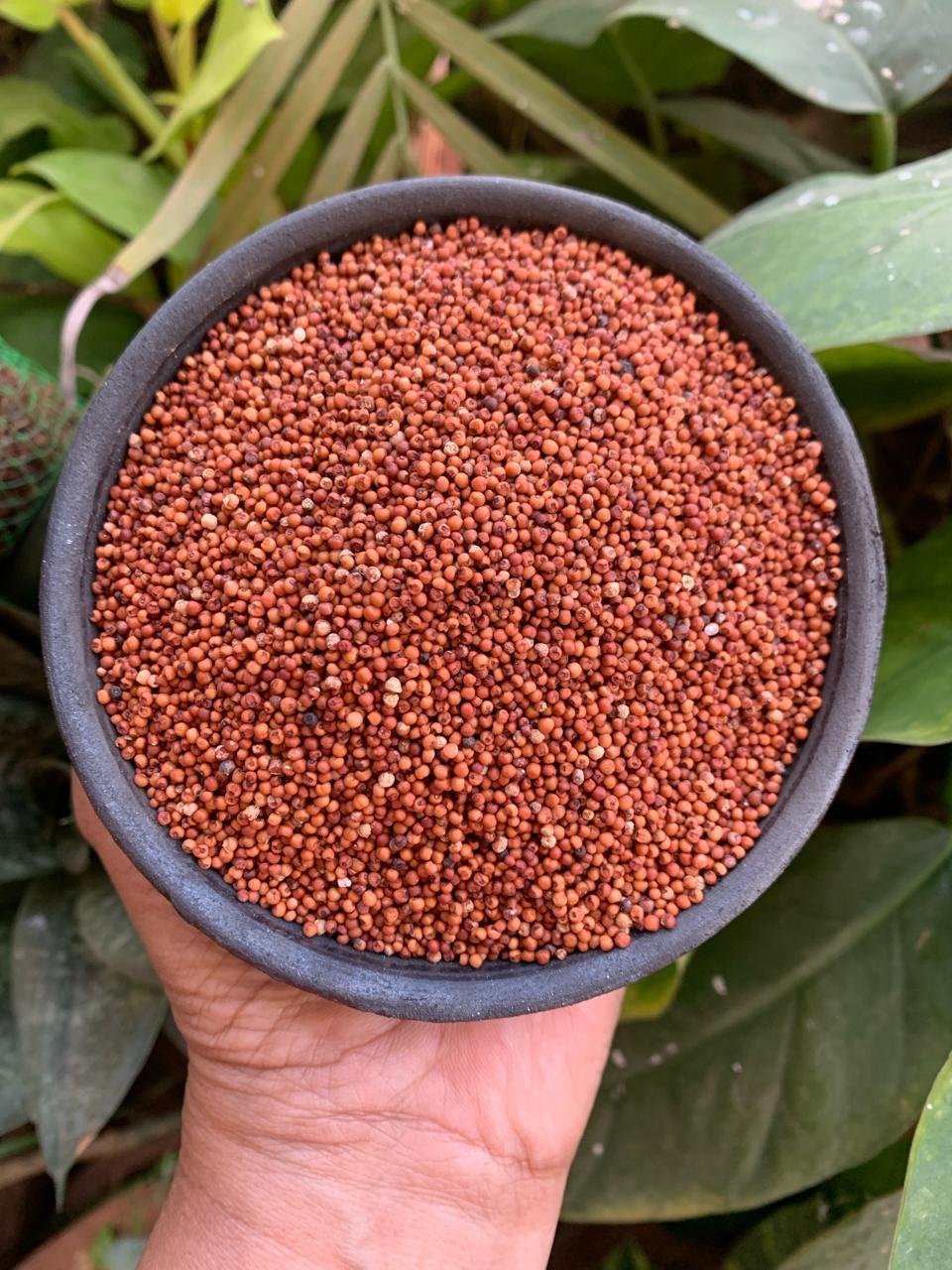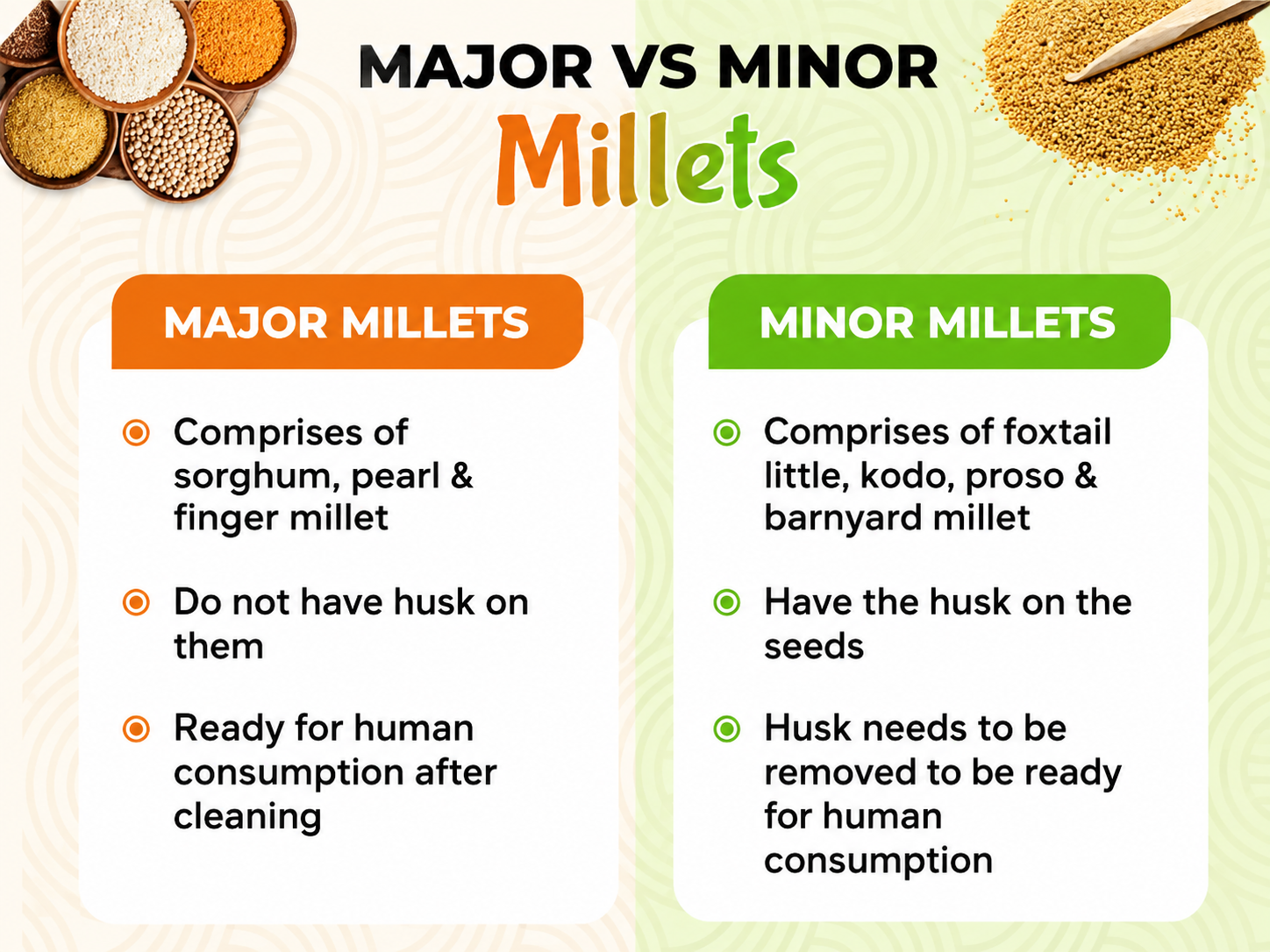
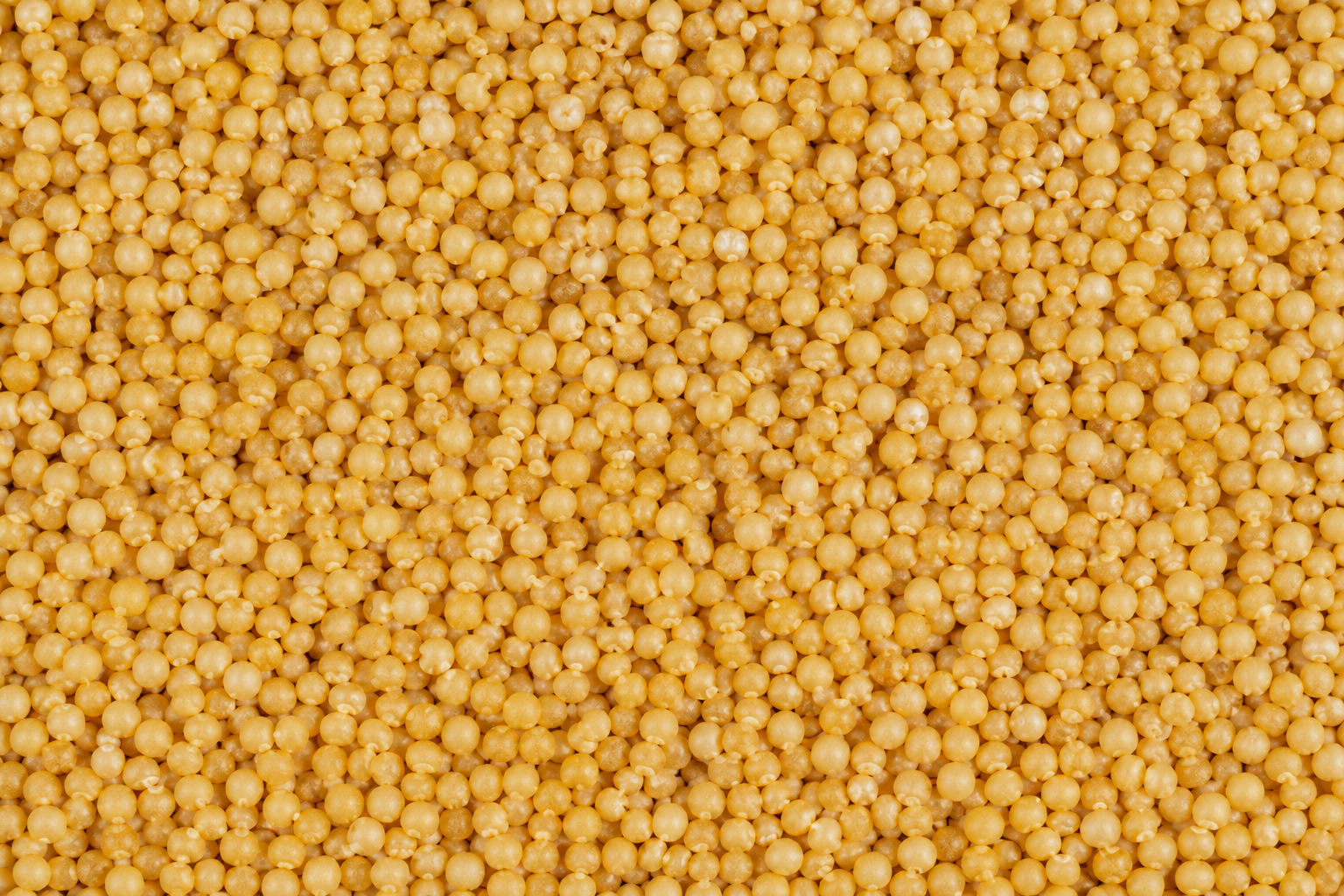
When people think of millets, they usually think of ragi, jowar, or bajra — the big three. But there are two lesser-known millets that deserve equal attention in every Indian kitchen: Little Millet and Kodo Millet. These minor millets may be smaller in grain size, but they carry nutritional profiles that can rival or even surpass their more famous counterparts.
Both are naturally gluten-free, low on the glycemic index, quick to cook, and incredibly versatile. Whether your goal is better blood sugar control, weight management, improved digestion, or simply a healthier alternative to polished rice — these two millets deliver.
At IndusAgrii, both Little Millet and Kodo Millet are available unpolished and sourced from farmers who cultivate these grains using traditional methods.
Little Millet: The Everyday Rice Replacement
Little Millet, known as Kutki in Hindi, Samai in Tamil, and Saave in Kannada, is one of the most adaptable millets available. Its small, round grains cook quickly and have a light texture that closely resembles rice, making it the easiest millet to transition to for families accustomed to eating rice daily.
Nutritional Profile of Little Millet
- Rich in Iron: Supports haemoglobin production and helps combat fatigue and anaemia.
- High in B Vitamins: Essential for energy metabolism, nervous system function, and cellular health.
- Good Source of Fibre: Promotes healthy digestion and sustained fullness.
- Low Glycemic Index: Releases glucose gradually, making it one of the best grain choices for blood sugar management.
- Naturally Gluten-Free: Safe for people with celiac disease or gluten sensitivity.
Health Benefits of Little Millet
Weight Management: The combination of low calories, high fibre, and slow energy release makes Little Millet exceptionally effective for weight-conscious eating. You feel full on smaller portions without the energy crashes that refined grains cause.
Diabetic-Friendly: Among the minor millets, Little Millet ranks as one of the best choices for people managing diabetes. Its low glycemic index means your blood sugar stays steadier after meals.
Hydration Support: Little Millet has properties that help the body retain hydration, making it particularly beneficial during hot summers.
Easy Digestion: Its light texture means it is gentle on the stomach, suitable for everyone from children to elderly family members.
Easy Little Millet Recipes
Little Millet Rice: Simply cook Little Millet exactly like you would cook rice — 1 cup millet to 2 cups water. Serve with dal, sambar, or any curry. Most people cannot tell the difference from regular rice.
Little Millet Upma: Dry roast Little Millet for 2 minutes. Prepare a tempering with mustard seeds, urad dal, curry leaves, green chillies, and onions. Add water, then the roasted millet. Cook until fluffy. Finish with lemon juice and coriander.
Little Millet Pongal: Cook Little Millet with moong dal (3:1 ratio). Prepare a ghee tempering with black pepper, cumin, ginger, and curry leaves. Mix together for a warm, comforting dish.
Kodo Millet: The Detox Grain
Kodo Millet, known as Kodra in Hindi and Varagu in Tamil, is recognised for its exceptional antioxidant content and detoxifying properties. Among all millets, Kodo stands out for its ability to support gut health, cleanse the digestive tract, and provide steady energy without the heaviness of regular grains.
Nutritional Profile of Kodo Millet
- High Antioxidant Content: Among the highest of any millet variety, helping combat oxidative stress and reduce inflammation.
- Rich in Dietary Fibre: Supports colon health, regular bowel movements, and healthy gut bacteria.
- Low Calorie Density: Makes it an excellent choice for calorie-controlled diets.
- Good Source of Polyphenols: Plant compounds that have anti-inflammatory and heart-protective properties.
- Low Glycemic Index: One of the best millets for blood sugar management alongside foxtail millet.
Health Benefits of Kodo Millet
Gut Health and Detoxification: Kodo Millet's high fibre and antioxidant content actively supports colon cleansing and detoxification. It helps eliminate toxins from the digestive tract and promotes the growth of healthy gut bacteria.
Blood Sugar Control: With one of the lowest glycemic indices among millets, Kodo Millet is an excellent grain for people managing type 2 diabetes or insulin resistance.
Heart Protection: The polyphenols in Kodo Millet help reduce inflammation in blood vessels and support healthy cholesterol levels, contributing to long-term cardiovascular health.
Summer-Friendly: Kodo Millet has a light, cooling effect on the body, making it an ideal grain choice during hot Indian summers when heavier grains can feel uncomfortable.
Easy Kodo Millet Recipes
Kodo Millet Khichdi: Cook Kodo Millet with moong dal, turmeric, and cumin. Add seasonal vegetables like carrots, peas, and beans. A comforting, one-pot meal that is both healing and filling.
Kodo Millet Pulao: Sauté onions, green chillies, and whole spices in ghee. Add soaked Kodo Millet and water. Cook until fluffy. Garnish with fresh coriander and fried cashews.
Kodo Millet Vegetable Rice: Cook Kodo Millet plain, then toss with sautéed vegetables, sesame oil, soy sauce, and a squeeze of lime for a quick, healthy stir-fry meal.
Little Millet vs Kodo Millet: Quick Comparison
| Feature | Little Millet | Kodo Millet |
|---|---|---|
| Best For | Daily rice replacement | Detox and gut health |
| Standout Nutrient | Iron and B vitamins | Antioxidants and polyphenols |
| Taste | Very mild, rice-like | Mild, slightly nutty |
| Cook Time | 15-18 minutes | 18-20 minutes |
| Glycemic Index | Low | Very Low |
| Ideal Season | Year-round | Summer (cooling effect) |
How to Store Little Millet and Kodo Millet
- Store whole grains in clean, airtight containers.
- Keep in a cool, dry place away from direct sunlight and moisture.
- Properly stored, both millets last 6-12 months.
- If grinding into flour, consume within 2 months for best freshness.
Shop Little Millet and Kodo Millet at IndusAgrii →
Frequently Asked Questions
Can Little Millet completely replace rice?
Yes. Little Millet cooks and tastes very similar to rice, making it the easiest millet to transition to. Many families who have made the switch report that their family members barely noticed the change.
Is Kodo Millet good for summer?
Kodo Millet is considered to have cooling properties, making it particularly well-suited for consumption during hot Indian summers. It is light, easy to digest, and does not generate excess body heat.
Can diabetics eat Little Millet and Kodo Millet daily?
Both millets have low glycemic indices, making them among the best grain choices for people managing diabetes. They help maintain steadier blood sugar levels compared to white rice or refined wheat.
Are these millets safe for children?
Both Little Millet and Kodo Millet are gentle, gluten-free, and nutritious — making them safe and beneficial for children. Start by mixing small quantities with regular rice and gradually increase the proportion.