
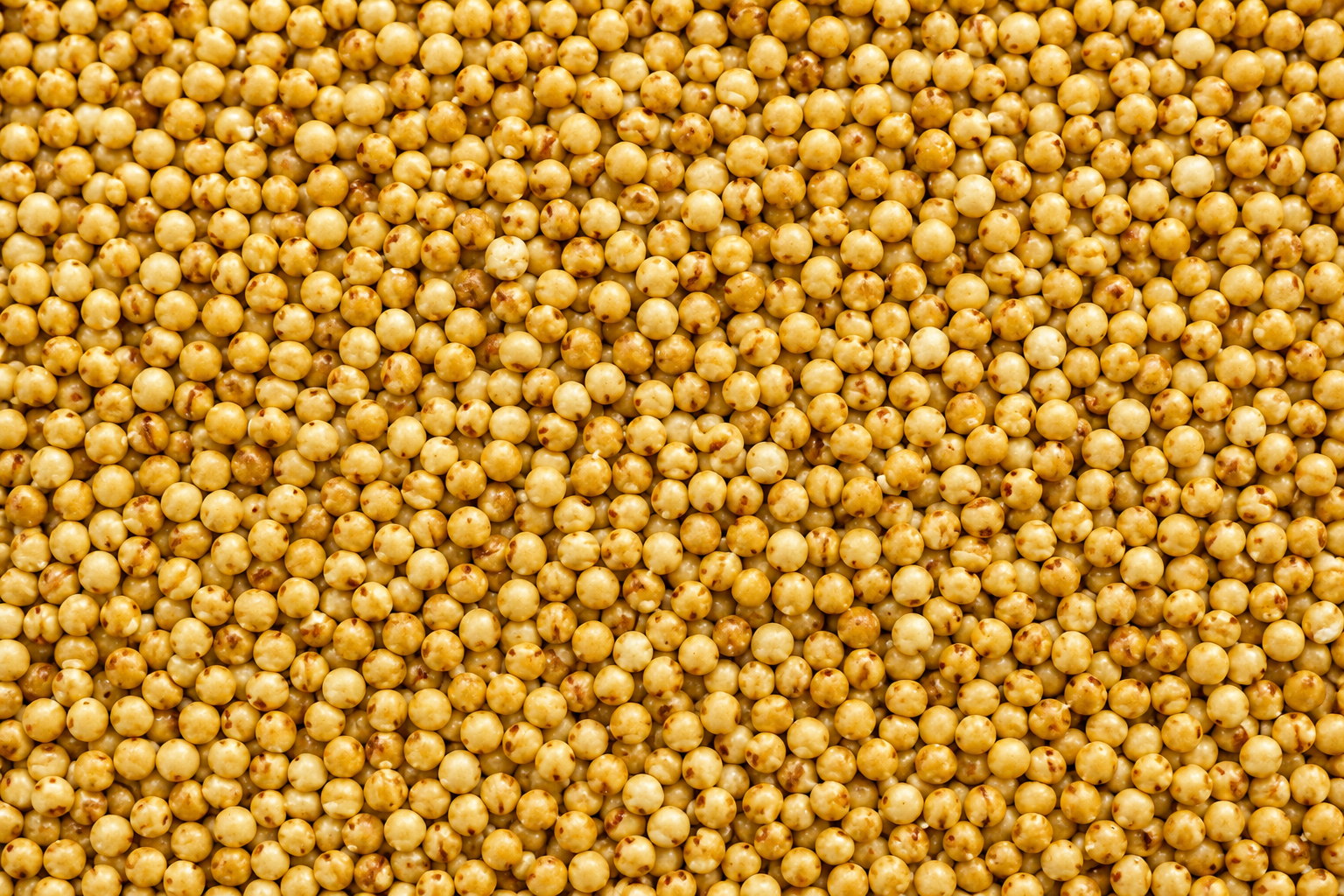
Why Kodo Millets Are Taking Over Indian Kitchens
In a world obsessed with superfoods imported from across the globe, we've overlooked the most powerful one hiding in our own backyard. Kodo millets — a grain so ancient it fed entire kingdoms — is finally getting the recognition it deserves.
What Makes Kodo Millets Different?
Unlike rice and wheat, kodo millets are:
- 100% Gluten-Free: Safe for celiac disease and gluten sensitivity
- Low Glycemic Index (GI: 54): Blood sugar stable for 4+ hours
- Complete Amino Acid Profile: All 9 essential amino acids — rare for plant-based foods
- Micronutrient Dense: Iron 8.3mg, Calcium 27mg, Magnesium 137mg per 100g
- High in Resistant Starch: Feeds good gut bacteria, improves digestion
The Diabetes Game-Changer
India has 77 million diabetics — more than any other country. Kodo millets work differently:
Traditional rice: Glucose spike in 15 minutes → pancreas overworks → insulin resistance over time
Kodo millets: Slow carb absorption → steady energy → no sugar crashes → insulin sensitivity improves
One study in the Journal of Food Science showed that diabetics switching from rice to kodo had average blood sugar reductions of 28% within 8 weeks.
Gut Health Revolution
Your gut bacteria are starving. Most modern diets lack fiber — kodo has 8.7g per 100g (3x more than rice). When these fibers reach your colon, beneficial bacteria ferment them into short-chain fatty acids (butyrate), which:
- Reduce inflammation in the gut lining
- Strengthen the intestinal barrier (prevents leaky gut)
- Lower cortisol and improve sleep
- Boost immune system strength by 40%
Climate Warrior Crop
While rice fields drown in water, kodo thrives:
- 40% less water than rice (400 liters vs 1000+ liters per kg)
- Grows in marginal, degraded lands (doesn't compete with food crops)
- Zero pesticide requirement (naturally pest-resistant)
- Sequesters carbon in soil (fights climate change)
Switching 1% of India's rice cultivation to kodo would save 20 million tons of water annually — enough for 40 million people.
How to Cook Kodo Right (The Game-Changer Way)
The Problem: Most people cook kodo like rice — wrong ratio = mushy, unappetizing grain.
The Solution — Perfect Kodo Ratio:
- 1 cup kodo : 2.5 cups water
- Boil 20 minutes (not 10, not 15)
- Rest 5 minutes covered
- Fluff with fork
Result: Individual, fluffy grains with nutty flavor. Not mushy. Not dry.
Real Stories from India
Rajesh, 58 (Nashik, Maharashtra): "Doctor said pre-diabetic. Switched from rice to kodo. 6 months later — fasting sugar dropped from 135 to 98. No medication needed."
Priya, 35 (Bangalore): "IBS destroyed my life. Nothing worked. Kodo khichdi daily for 3 weeks — bloating gone, energy back. Game-changer."
Farmer Prakash, 52 (Indore): "Switched 5 acres from wheat to kodo. Less water, no pesticides, same profit. My soil health is visibly better. Why didn't I do this 10 years ago?"
The Bottom Line
Kodo millets aren't a trend. They're the future of nutrition — backed by 5000 years of history and modern science proving it works. Your body deserves better than insulin spikes and nutrient-poor grains.
Start with 2-3 meals per week. Your pancreas will thank you.