For centuries, Indian families cooked with millets every day. Bajra rotis in Rajasthan, ragi mudde in Karnataka, jowar bhakri in Maharashtra — these were not health trends. They were simply how people ate. Then came the Green Revolution, and refined wheat and polished rice took over Indian kitchens. Millets were slowly pushed to the margins, labelled as "poor man's food."
Today, the story has reversed. Science has confirmed what our grandmothers always knew: millets are among the most nutritious grains available on the planet. Naturally gluten-free, rich in fibre, packed with minerals, and low on the glycemic index — millets are the original superfood.
At IndusAgrii, we offer a curated selection of premium millets sourced directly from farmers who have preserved these ancient grains through generations of careful cultivation.
What Are Millets?
Millets are small-seeded grasses belonging to the Poaceae family. They are among the oldest cultivated grains in human history, with evidence of millet farming dating back over 7,000 years. India is the world's largest producer of millets, accounting for roughly 38% of global production.
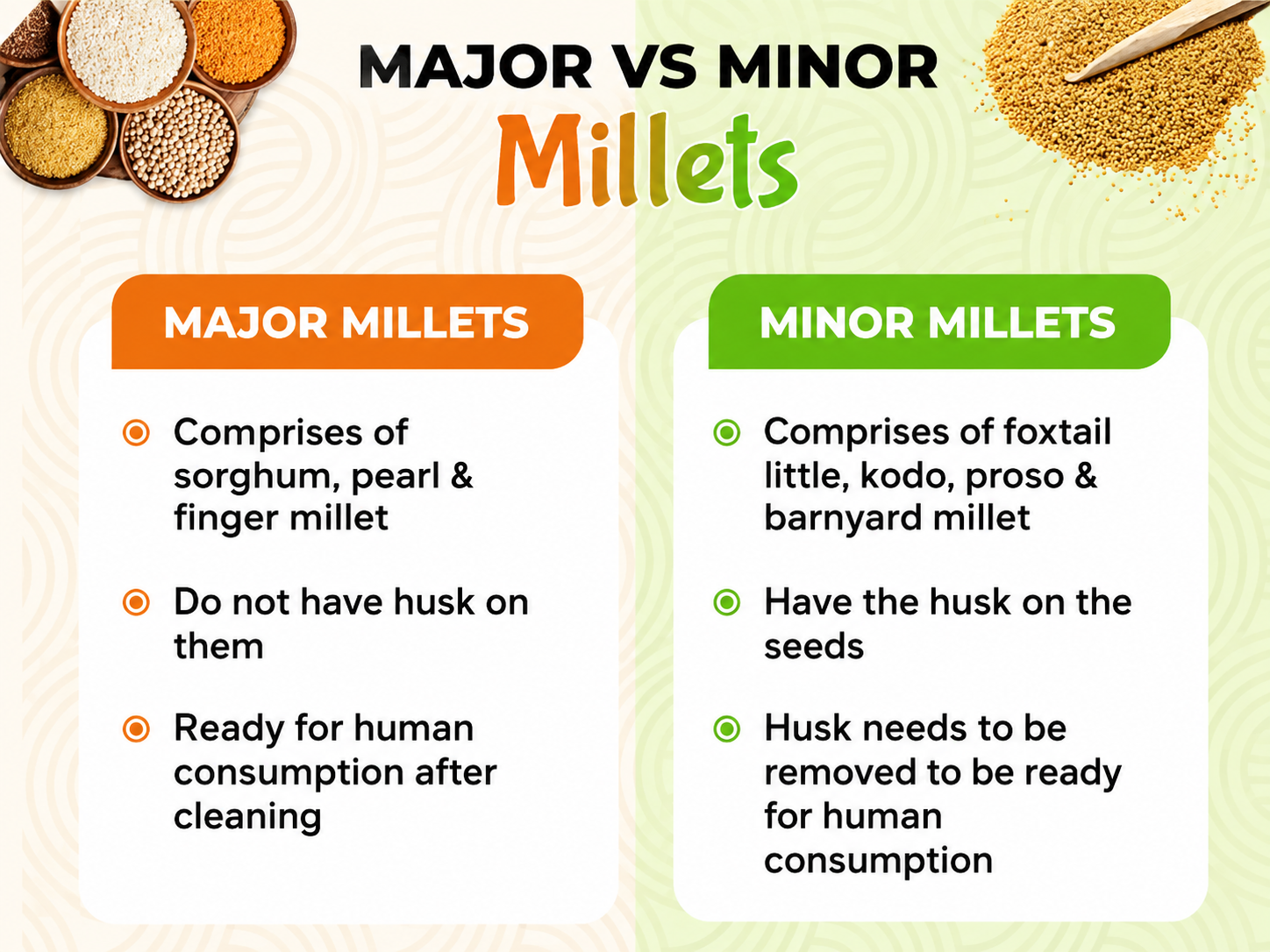
Millets are classified into three categories:
- Major Millets: Jowar (Sorghum), Bajra (Pearl Millet), and Ragi (Finger Millet) — the most widely grown and commercially available.
- Minor Millets: Foxtail, Barnyard, Little, Kodo, Proso, and Browntop millets — smaller-scale cultivation but often superior nutritional profiles.
- Pseudo-Millets: Amaranth (Rajgira) and Buckwheat (Kuttu) — not true grasses but share similar nutritional properties.
Why Millets Deserve a Place in Your Kitchen
1. Naturally Gluten-Free
Every millet variety is completely gluten-free, making them safe for people with celiac disease or gluten sensitivity. Unlike wheat, millets do not trigger digestive discomfort in sensitive individuals.
2. Low Glycemic Index
Millets release glucose into the bloodstream slowly, preventing the sharp sugar spikes that refined grains cause. This makes them excellent for people managing diabetes or anyone wanting steady energy throughout the day.
3. Exceptionally High in Fibre
The fibre content in millets supports healthy digestion, promotes gut health, prevents constipation, and contributes to a lasting feeling of fullness — which naturally supports weight management.
4. Rich in Essential Minerals
Millets are loaded with calcium, iron, magnesium, potassium, zinc, and B-complex vitamins. Ragi alone contains 300-350mg of calcium per 100g, making it the richest cereal source of calcium.
5. Environment-Friendly
Millets require up to 70% less water than wheat and rice. They thrive in semi-arid conditions with minimal irrigation and no pesticides, making them among the most sustainable crops on Earth.
Millets Available at IndusAgrii
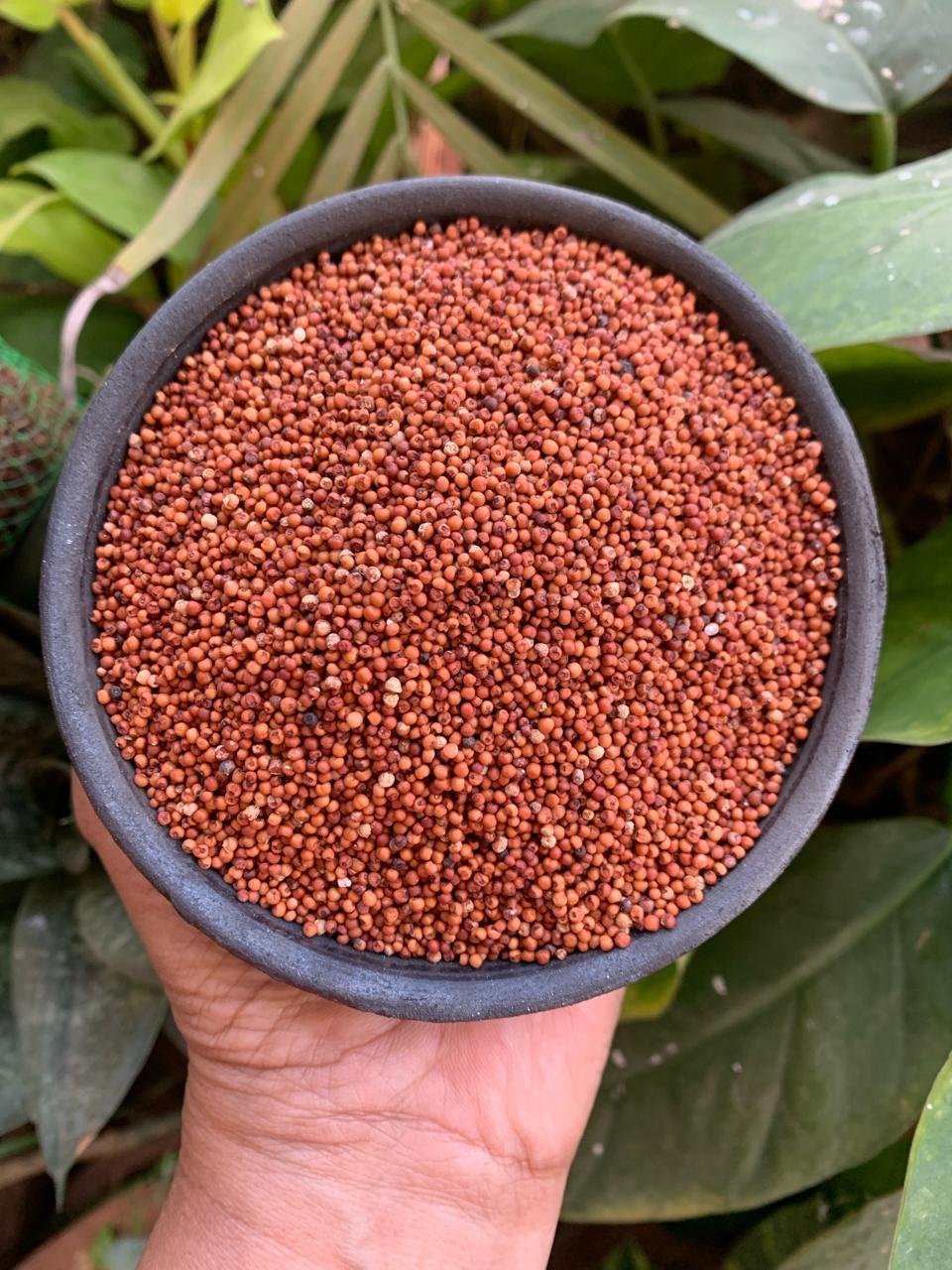
Finger Millet (Ragi)
The undisputed calcium champion among cereals. Ragi is the go-to millet for bone health, making it especially important for growing children, women, and elderly family members. It is widely used to make porridge, dosa, roti, and healthy baked goods.
- Standout Nutrient: Calcium (344mg per 100g)
- Best For: Bone health, growing children, elderly
- Popular Dishes: Ragi porridge, ragi dosa, ragi malt
Little Millet (Kutki/Samai)
One of the most versatile and quick-cooking millets. Little millet is rich in iron, fibre, and B vitamins. Its light texture makes it an excellent rice substitute that cooks in minutes and pairs well with Indian curries and dals.
- Standout Nutrient: Iron and B vitamins
- Best For: Weight management, energy, hydration
- Popular Dishes: Upma, pongal, lemon millet rice
Kodo Millet (Kodra/Varagu)
Known for its detoxifying properties and high antioxidant content. Kodo millet supports gut health, helps cleanse the colon, and is particularly easy to digest. Its light texture makes it ideal for summer meals and people with sensitive stomachs.
- Standout Nutrient: Antioxidants and dietary fibre
- Best For: Digestion, detox, diabetic-friendly meals
- Popular Dishes: Khichdi, pulao, millet rice
Barnyard Millet (Sanwa/Jhangora)
A favourite during fasting seasons like Navratri, barnyard millet is low in calories, high in fibre, and rich in iron. It cooks quickly and has a light, fluffy texture that makes it a comfortable substitute for rice.
- Standout Nutrient: High fibre, low calories
- Best For: Fasting, weight loss, light meals
- Popular Dishes: Khichdi, pulao, upma
Proso Millet (Chena/Pani Varagu)
One of the highest-protein millets with a mild taste that makes it easy to integrate into family meals without resistance. Proso millet cooks quickly and works beautifully as a rice substitute in everyday dishes.
- Standout Nutrient: High protein content
- Best For: Muscle health, kids' meals, daily cooking
- Popular Dishes: Tadka millet, upma, millet salad
How to Start Eating Millets Daily
Transitioning to millets does not require a dramatic overhaul of your kitchen. Here is a practical weekly approach:
- Breakfast: Ragi porridge with milk and jaggery, or foxtail millet upma.
- Lunch: Replace white rice with cooked little millet or barnyard millet alongside your regular dal and sabzi.
- Dinner: Jowar or bajra rotis, millet khichdi, or kodo millet pulao.
- Snacks: Roasted millet mixes, millet-based laddus, or popped millet chips.
- Fasting Days: Barnyard millet khichdi or rajgira (amaranth) rotis.
Important Tip: Introduce millets gradually into your diet. Switching suddenly from a low-fibre diet to high-fibre millets can cause temporary bloating or gas. Start with 2-3 millet meals per week and increase gradually.
Millets for Specific Health Goals
| Health Goal | Best Millets | Why |
|---|---|---|
| Diabetes Management | Foxtail, Kodo, Little Millet | Lowest glycemic index among millets |
| Weight Loss | Barnyard, Little Millet | Low calories, high fibre, promotes fullness |
| Bone Health | Ragi (Finger Millet) | Highest calcium content among cereals |
| Anaemia / Iron Deficiency | Bajra, Ragi | High iron content for haemoglobin production |
| Heart Health | Jowar | Rich in polyphenols, reduces bad cholesterol |
| Gut Health | Kodo Millet | High antioxidants, supports colon health |
Storage Tips for Millets
- Store in airtight containers in a cool, dry place.
- Keep away from moisture and direct sunlight.
- Whole millets can last 6-12 months when stored properly.
- Millet flour should be consumed within 2-3 months as it can turn rancid.
Shop Premium Millets at IndusAgrii →
Frequently Asked Questions
Can I eat millets every day?
Yes, millets can be consumed daily as part of a balanced diet. The key is to rotate different types of millets throughout the week to benefit from the varied nutritional profiles each one offers.
Are millets better than rice?
Millets generally have more fibre, more minerals, and a lower glycemic index compared to polished white rice. However, regional rice varieties like Indrayani and Kalanamak also carry strong nutritional profiles. The ideal approach is to include both in your diet.
Do millets cause body heat?
Some millets like bajra and ragi are considered warming, making them ideal for winter. Jowar is neutral and can be consumed year-round. Lighter millets like little millet and barnyard millet are cooling and work well in summer.
Are millets safe for children?
Absolutely. Ragi porridge has been a traditional first food for babies across South India for generations. Millets are easy to digest, nutrient-dense, and naturally gluten-free, making them excellent for growing children.