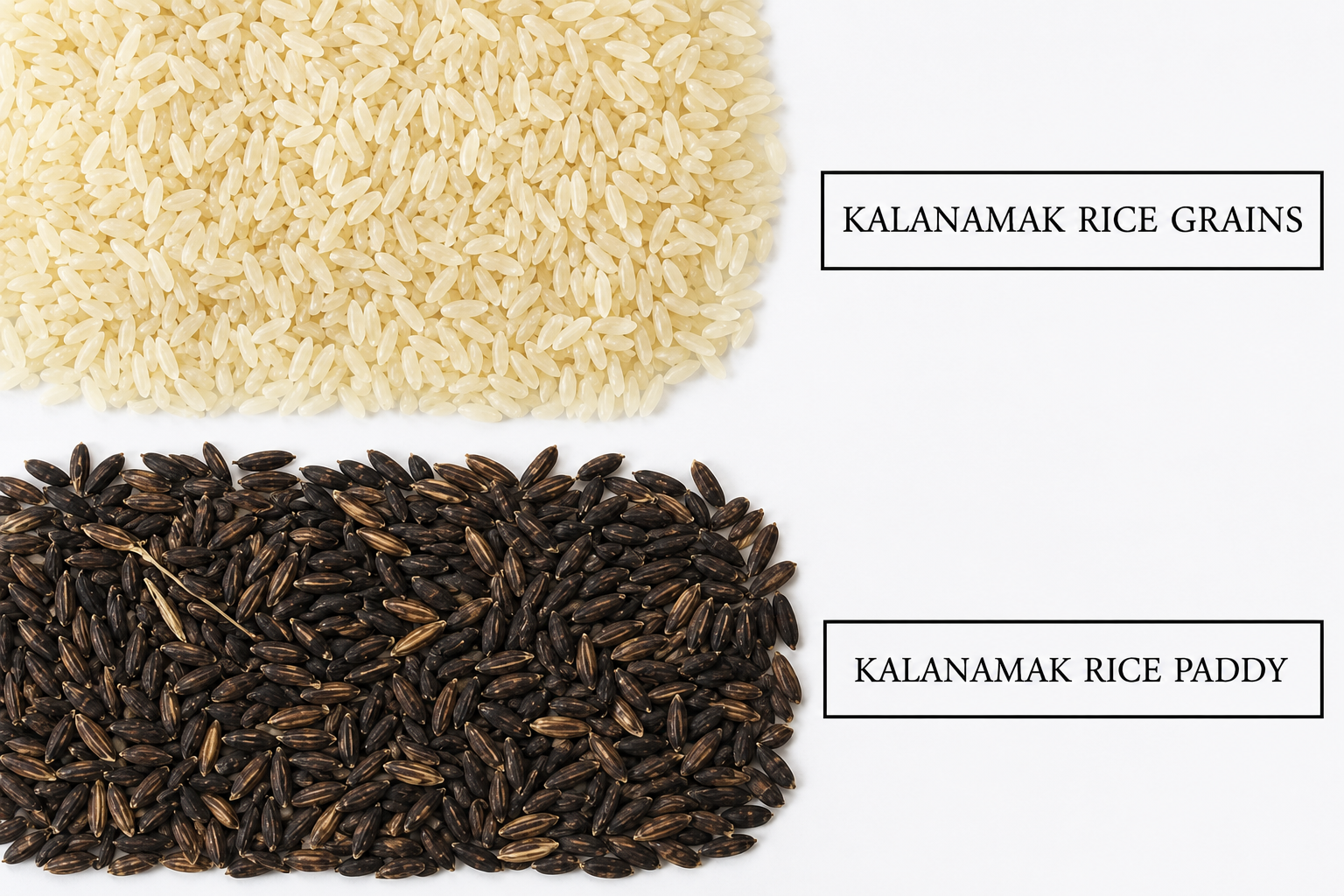
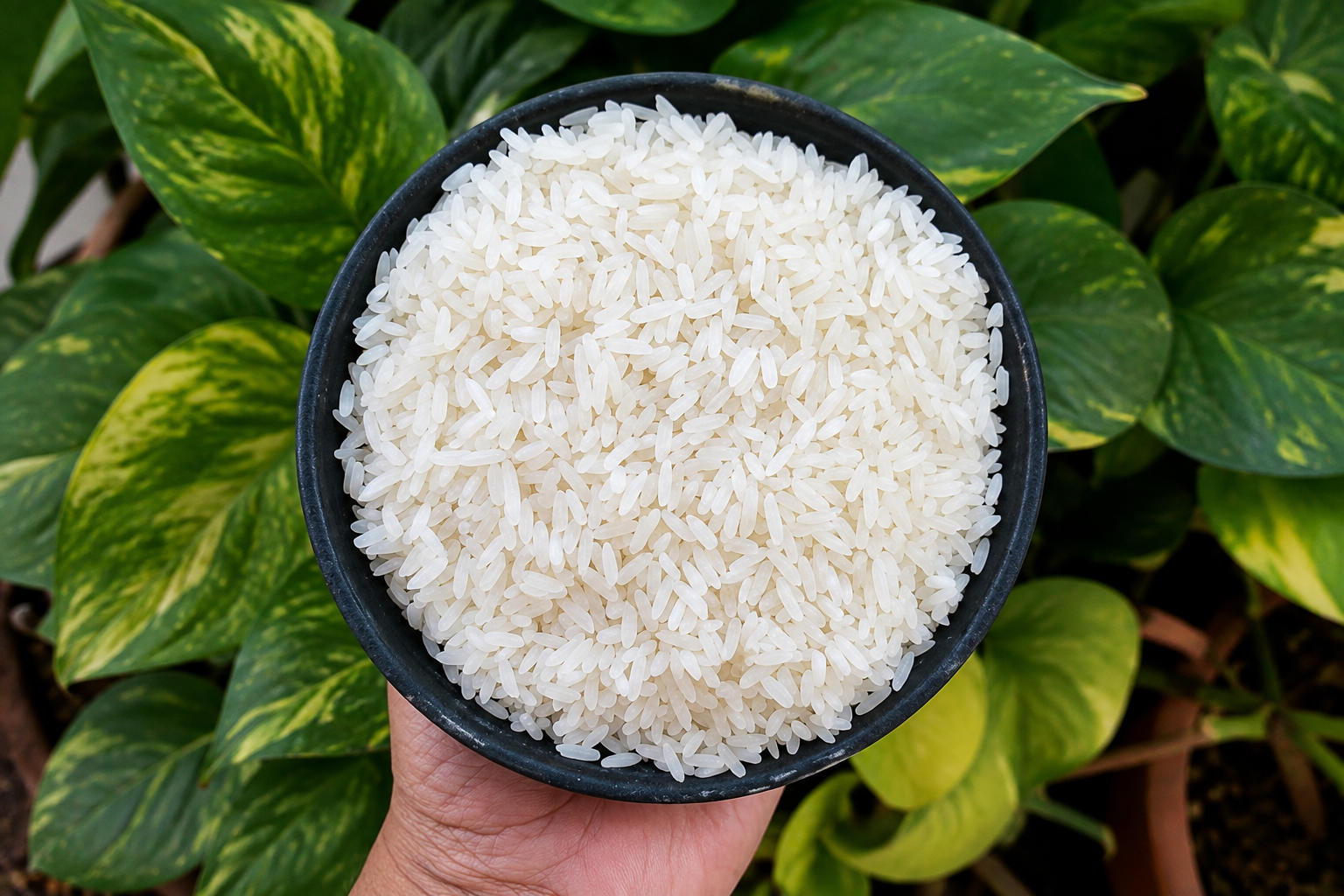
If you have ever eaten a plate of freshly cooked Indrayani rice, you already know what makes it special. The gentle aroma that fills the kitchen, the soft and slightly sticky texture on the plate, and the comforting taste that pairs beautifully with dal, curry, or just a spoonful of homemade ghee — Indrayani rice is more than a grain. It is a daily ritual in thousands of Indian households.
At IndusAgrii, we source our Indrayani rice directly from trusted farmers in the Maval region of Pune and parts of Nashik, ensuring every batch delivers the same authentic quality, grain after grain.
What Is Indrayani Rice?
Indrayani rice is an aromatic, medium-grain rice variety native to Maharashtra. It was developed in 1987 as a hybrid of Ambemohar, another fragrant local variety that grows in the Sahyadri foothills of the Western Ghats. While Ambemohar had a beautiful fragrance, its low yield and susceptibility to disease made it difficult to cultivate at scale. Researchers created Indrayani to preserve that signature aroma while delivering better yield and resilience.
The rice is primarily grown in the Maval taluka of Pune district and certain areas of Nashik. The specific soil composition and climate of these regions give Indrayani rice its distinctive fragrance and delicate sticky texture — qualities that cannot be replicated when the same variety is grown elsewhere.
Nutritional Profile of Indrayani Rice
Indrayani rice is not just about taste. It carries a solid nutritional profile that makes it suitable for everyday consumption:
- Rich in Vitamin B1 (Thiamine): Essential for energy production and known to help stabilise mood and regulate blood sugar levels.
- Good source of Iron and Calcium: Supports healthy blood formation and bone strength.
- Contains Niacin and Riboflavin: Important B-vitamins that support metabolism and skin health.
- High in Dietary Fibre: Especially in the unpolished variant, fibre aids digestion and promotes a feeling of fullness.
- Low in Fat and Cholesterol-Free: Making it suitable for those watching their weight or heart health.
- Low Glycemic Index: Indrayani rice releases energy slowly, helping regulate blood sugar levels — a quality that has made it popular among health-conscious families and those managing diabetes.
7 Key Health Benefits of Indrayani Rice
1. Supports Steady Energy Throughout the Day
Unlike refined white rice that can cause energy spikes and crashes, Indrayani rice provides sustained energy release thanks to its complex carbohydrate structure and lower glycemic index.
2. Gentle on the Digestive System
The slightly sticky texture of cooked Indrayani rice makes it easier to digest, which is why it has traditionally been used to prepare Bhatachi Pej (rice kanji) for children, elderly family members, and anyone recovering from illness.
3. Supports Heart Health
Being naturally low in fat and cholesterol-free, regular consumption of Indrayani rice as part of a balanced diet can contribute to maintaining healthy cholesterol levels and reducing cardiovascular risk.
4. Helps with Weight Management
The fibre content in Indrayani rice, particularly the unpolished variety, promotes satiety. You feel full with smaller portions, which naturally helps control calorie intake without feeling deprived.
5. Good for Bone Health
The presence of calcium and Vitamin D in Indrayani rice supports bone density, making it a thoughtful choice for growing children and older adults.
6. Supports Blood Sugar Regulation
Multiple nutritionists have noted that Indrayani rice has a relatively lower glycemic index compared to many other commonly consumed rice varieties. This means it releases glucose into the bloodstream more gradually.
7. Rich in Antioxidants
Indrayani rice contains natural antioxidants that help combat oxidative stress in the body, contributing to overall cellular health and wellbeing.
How to Cook Indrayani Rice the Traditional Way
While you can cook Indrayani rice in a pressure cooker or rice cooker, there is a traditional method that brings out its best qualities:
- Wash and Soak: Rinse the rice three times in clean water, then soak for 20-30 minutes.
- Use the Right Ratio: For every 1 cup of rice, use 2 cups of water.
- High Flame First: Cook on high flame for 10 minutes until the water starts bubbling vigorously.
- Low Flame: Reduce to minimum flame and cook for another 10 minutes.
- Steam Finish: Place a plate (with a little water on top) over the pot. When bubbles form in the water on the plate, switch off the flame. Keep the plate as it is for 10 more minutes to let the rice finish cooking with steam.
- Serve: Add a spoonful of homemade ghee and a few drops of lemon juice for crystal-white, separate grains with incredible flavour.
Popular Indrayani Rice Recipes
- Masala Khichdi: Combine Indrayani rice with moong dal, seasonal vegetables, and spices for a quick, nutritious one-pot meal.
- Vegetable Pulao: Sauté onions, add whole spices, vegetables, and Indrayani rice for a fragrant, flavourful pulao.
- Curd Rice: Mix cooked Indrayani rice with fresh curd, tempered with mustard seeds and curry leaves — perfect for summer.
- Bhatachi Pej (Rice Kanji): A thick soup of rice and milk, traditionally prepared for children and elderly family members.
- Rice Kheer: Use Indrayani rice to cook a creamy kheer with milk, sugar, cardamom, and saffron.
How to Store Indrayani Rice at Home
Proper storage ensures your rice stays fresh and aromatic for months:
- Store in a clean, dry, airtight container.
- Place a few dried neem leaves on top of the rice before sealing. Neem naturally repels insects without affecting taste.
- Keep the container in a cool place, away from direct sunlight, heat sources, and the cooking area.
- If buying unpolished Indrayani rice, consume within 6 months for the best flavour and nutrition, as the oil content in the bran layer can cause spoilage over time.
Polished vs Unpolished Indrayani Rice: Which Should You Choose?
Polished Indrayani Rice has the outer bran layer removed, resulting in white, fluffy grains that cook faster and have a milder taste. It is what most households use for daily cooking.
Unpolished Indrayani Rice retains its natural bran and germ layers, giving it a tan or brown appearance. It is higher in fibre, vitamins, and minerals, but takes slightly longer to cook and has a nuttier, chewier texture.
For everyday family meals, polished Indrayani rice works perfectly. If you are specifically focused on maximising nutritional intake, unpolished is the better choice.
Why Buy Indrayani Rice from IndusAgrii?
When IndusAgrii developed its rice sourcing model, we observed that Indrayani rice available across supermarkets and online platforms varies widely in quality and price. To address this, we built direct connections with Farmer Producer Organisations (FPOs) where proper cultivation practices are maintained, and rice mills where quality consistency is ensured.
Every effort has been made to achieve the right balance of quality, reliable sourcing, proper packaging, and fair pricing. The result is Indrayani rice that is consistent in taste, texture, and aroma — batch after batch.
Shop Indrayani Rice at IndusAgrii →
Frequently Asked Questions
Is Indrayani rice good for daily consumption?
Yes. Indrayani rice has a relatively low glycemic index and is gentle on the digestive system, making it suitable for everyday meals. However, it is always advisable to observe how your body responds and follow any dietary guidance from your doctor.
Is Indrayani rice the same as Basmati?
No. Indrayani is a medium-grain aromatic rice from Maharashtra with a sticky texture when cooked. Basmati is a long-grain rice that cooks into separate, fluffy grains. Both are aromatic, but their texture, origin, and culinary uses are quite different.
Can diabetics eat Indrayani rice?
Indrayani rice has a lower glycemic index compared to many common rice varieties, which means it releases sugar into the blood more gradually. Some nutritionists have recommended it as a better option for people managing blood sugar. However, portion control remains important, and you should always consult your doctor for personalised dietary advice.
Where is Indrayani rice grown?
Indrayani rice is primarily grown in the Maval region of Pune district and parts of Nashik in Maharashtra. The unique soil and climate of these areas give the rice its distinctive aroma and texture.